

Crafting your
Future-Ready Enterprise AI Strategy, Edition 2

i. Background
It is yet unknown if artificial intelligence is more akin to the “great inventions” of the 19th and 20th centuries, or if it will ultimately represent another more incremental evolution of existing capabilities.
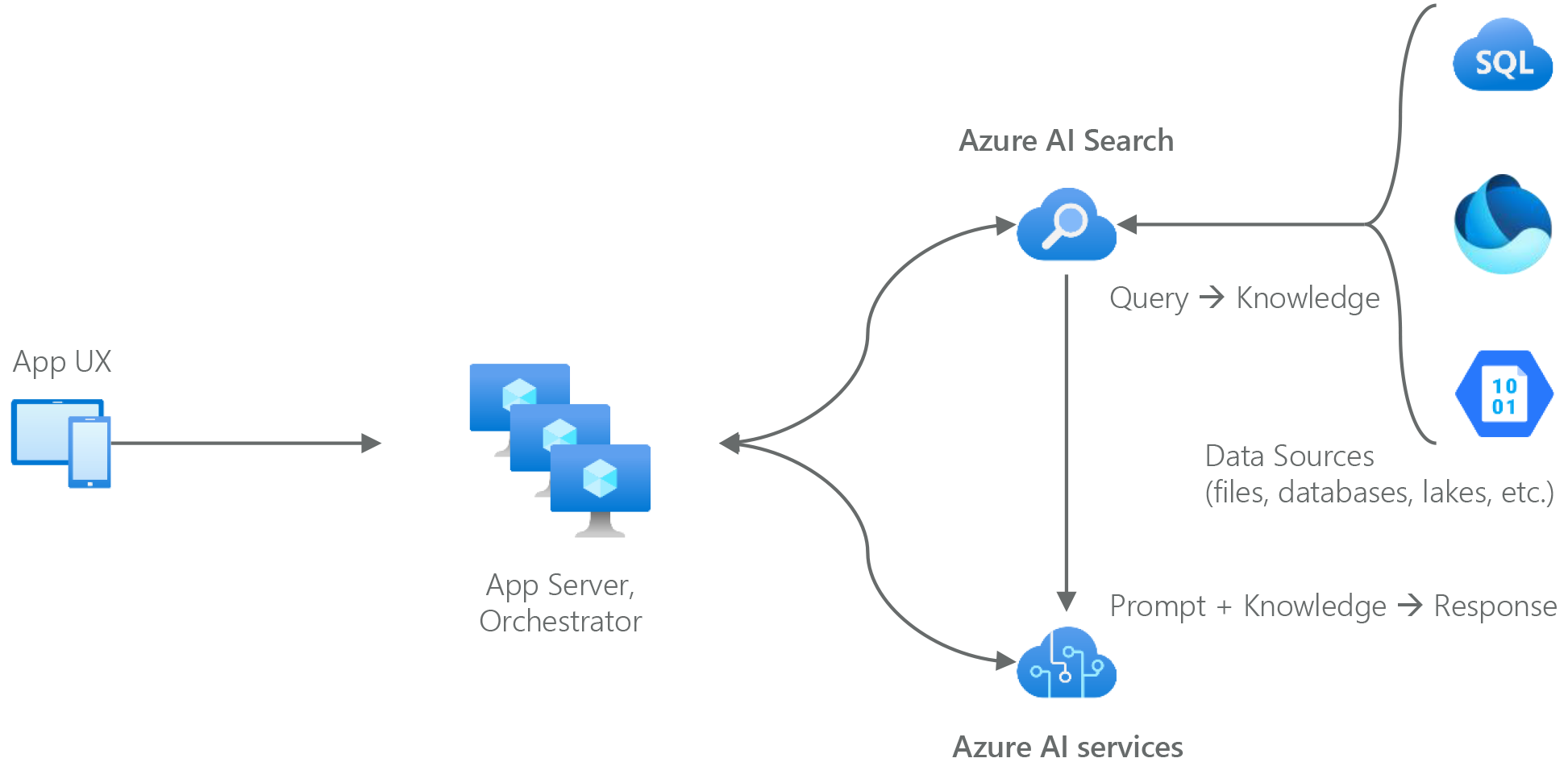
ii. Foundational Considerations
So it is that we’ve been spending significant time and mental energy thinking about a proper “AI strategy” for organizations that wish to escape the sad fate of the frog, or that of the world’s organizations being left behind by the pace of technological change.
iii. AI Strategy Framework
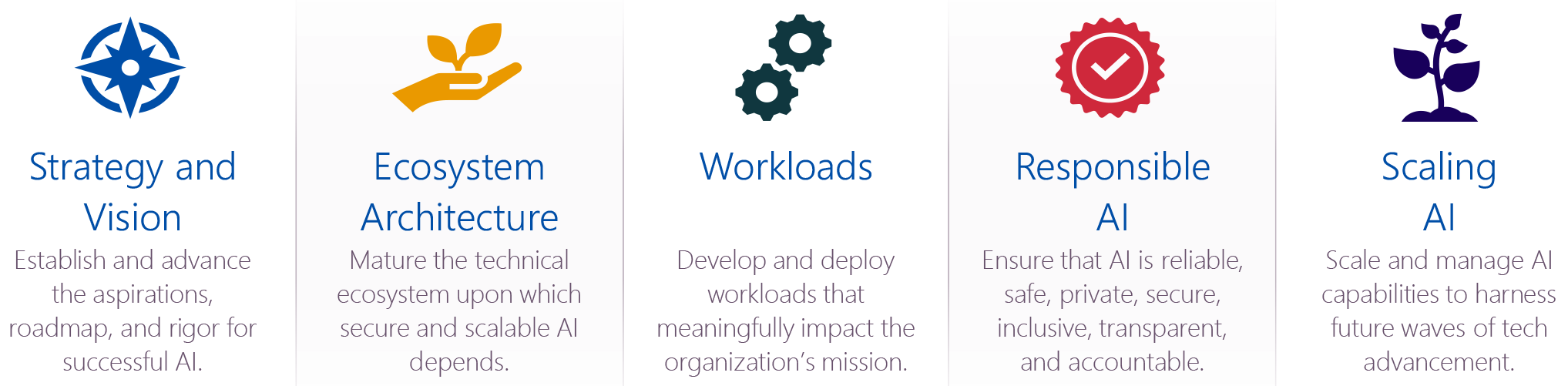
An organization’s AI strategy ought to be constructed atop five pillars, each with five dimensions to be considered, matured, and regularly evaluated. This model has the benefit of shaping (a) how you evaluate your organization’s maturity, risks, and opportunities in AI at any point in time - including when just getting started - and (b) how you organize your strategy to mitigate those risks, seize those opportunities, and mature the organization’s use of AI over time.
iv. Pillar One: Strategy and Vision
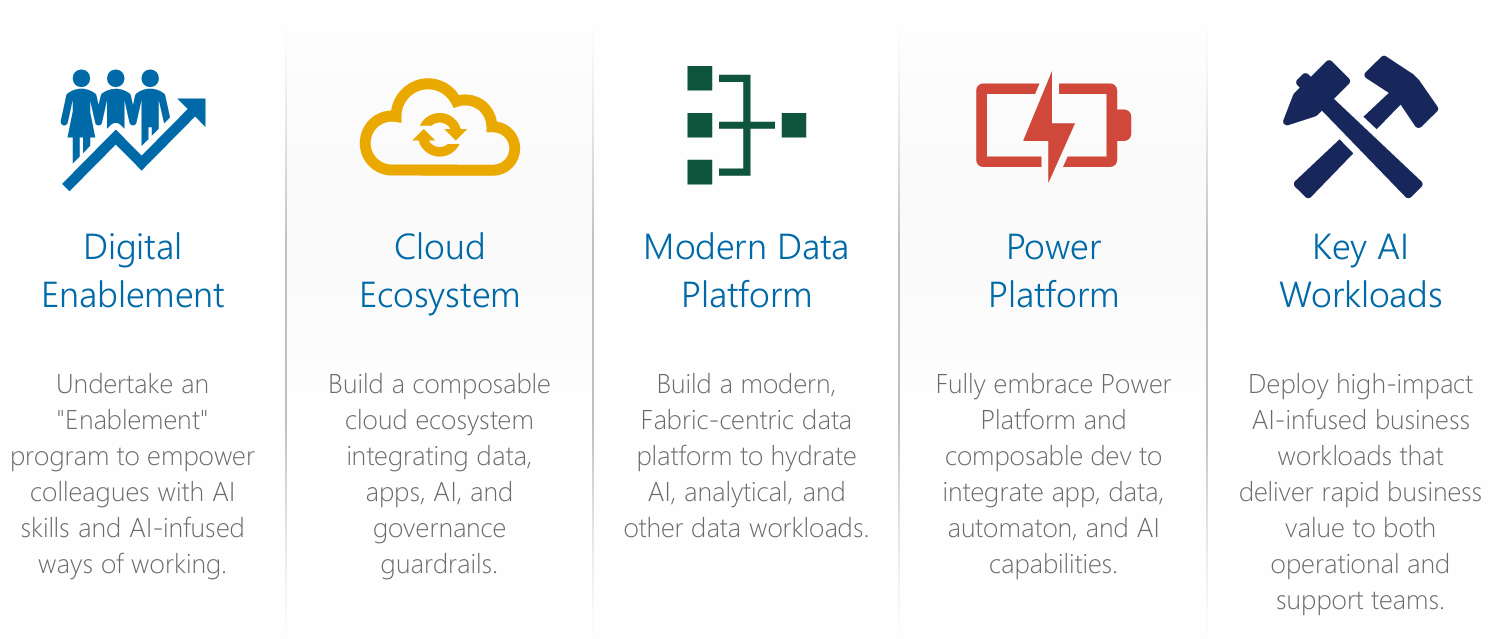
Our Strategy and Vision pillar sets forth five dimensions which begins with vision, extends to creating the actionable roadmap and architecture necessary to actualize that vision, and finally establishes the programmatic elements necessary to drive that vision to fruition. These dimensions help organizations formulate and take action on their big ideas.
v. Pillar Two: Ecosystem Architecture
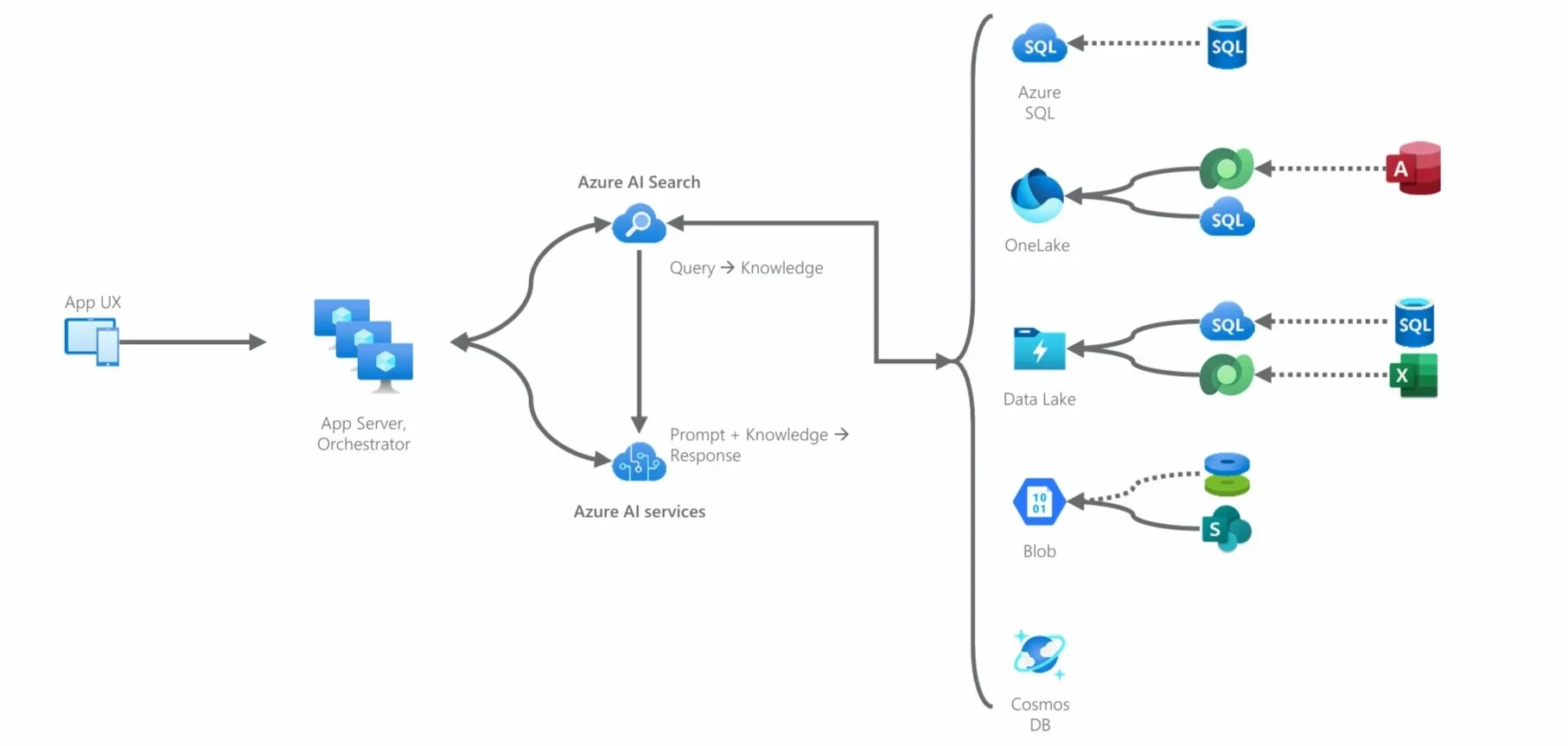
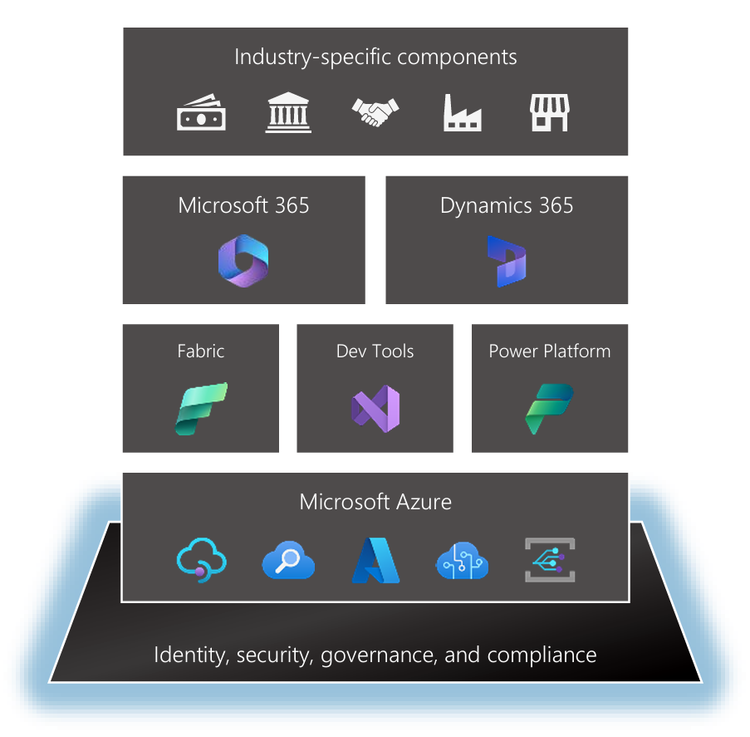
Ecosystem architects seek first to build a cloud ecosystem, that is, a collection of interconnected technical services that are flexible or “composable,” Ecosystem Architecture Core Platform Services Data Distribution Integration Business Applications AI Development Tools re-usable, and highly scalable. The ecosystem then expands, contracts, and is adapted over time to accommodate the workloads deployed within it.
vi. Pillar Three: Workloads
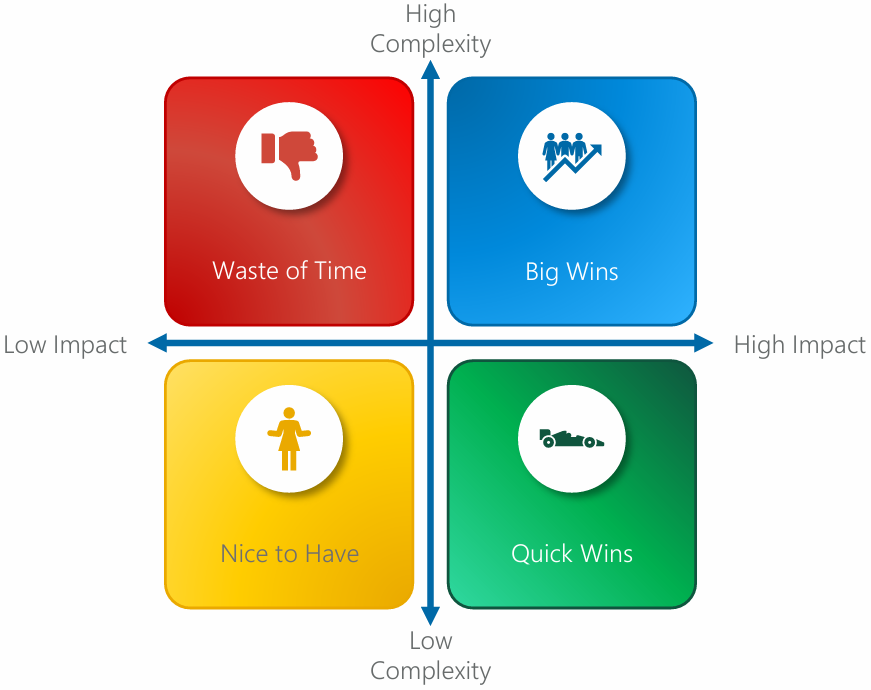
Our Workloads pillar gets to what’s on the mind of most folks when they think about artificial intelligence: How will we use AI to solve real-world challenges?
vii. Pillar Four: Responsible AI
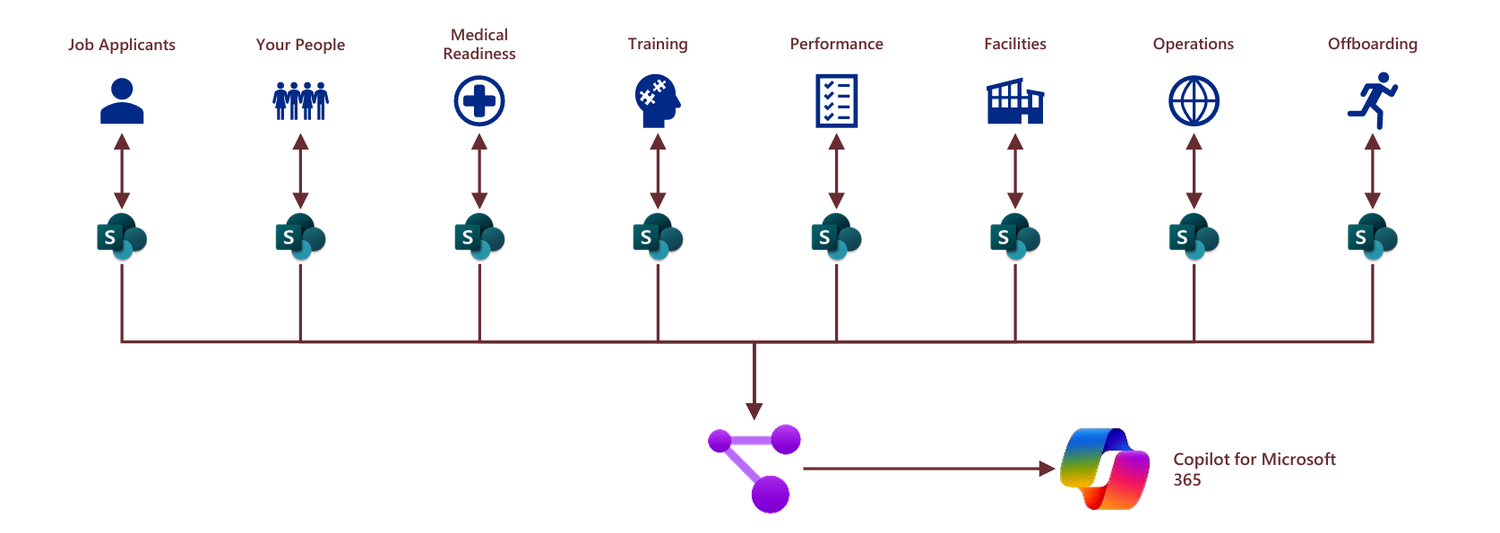
Microsoft has established a series of RAI principles that guide the ethical development and deployment of AI. These principles - Reliability and Safety, Privacy and Security, Fairness and Inclusivity, Transparency, and Accountability - are essential to ensure that AI is used safely within an organization. These principles join the AI Strategy Framework as dimensions in our Responsible AI pillar.
vii. Pillar Five: Scaling AI
In time, most organizations will turn their attention from future readiness and establishing themselves with AI to focusing instead on scaling (and sustaining) their investment in AI and the data platform upon which it depends. Put another way, one-time consolidation and readiness of data combined with a few AI-driven workloads does not a future-ready organization make.
viii. AI Maturity Model
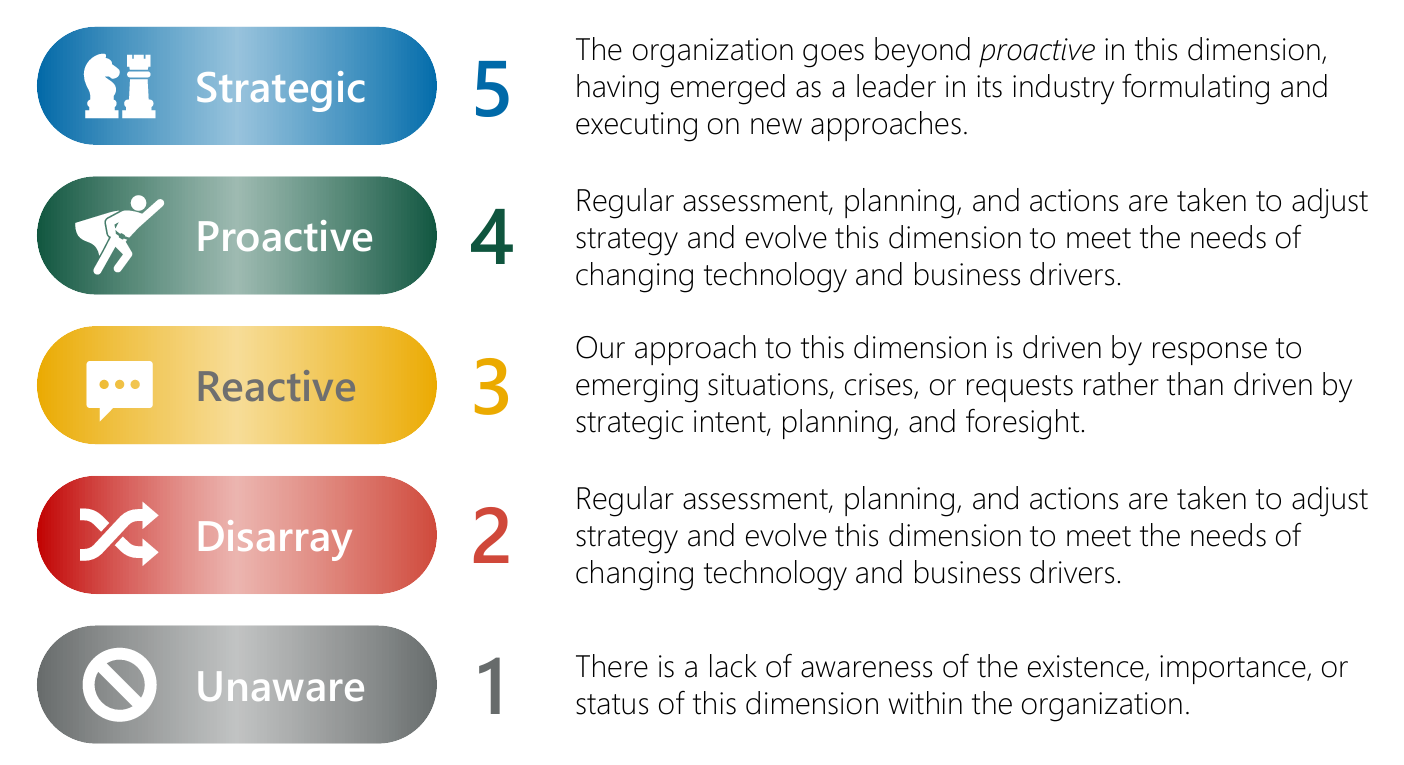
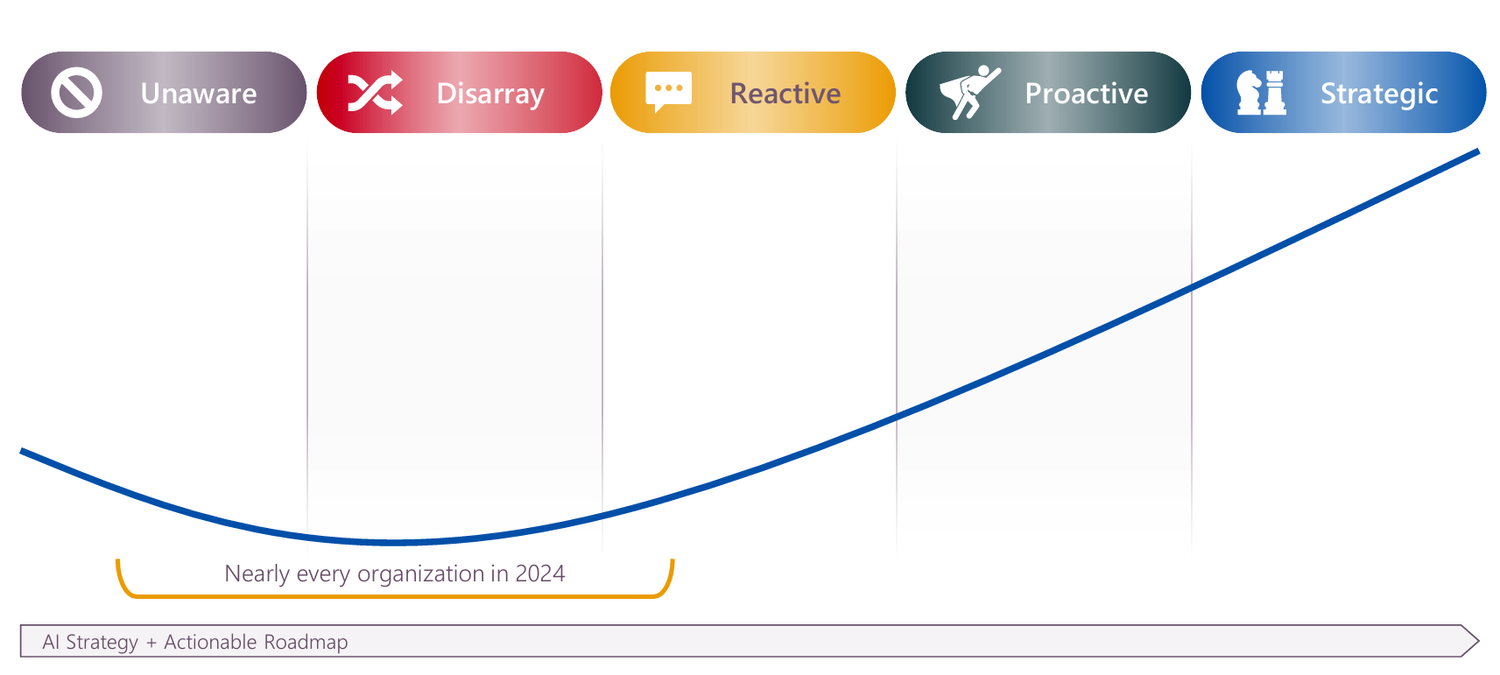
The AI Strategy Framework offers a comprehensive blueprint through which organizations craft their future-ready enterprise AI strategy. Equally important is our ability to assess an organization’s maturity or readiness for artificial intelligence, both in beginning to craft its strategy and regularly as it travels its roadmap.
ix. Onwards
We’ve used words like “journey” and “roadmap” to describe the path along which organizations execute their AI strategy. So, we’ll conclude with a discussion of what that journey really looks like.