

Blog
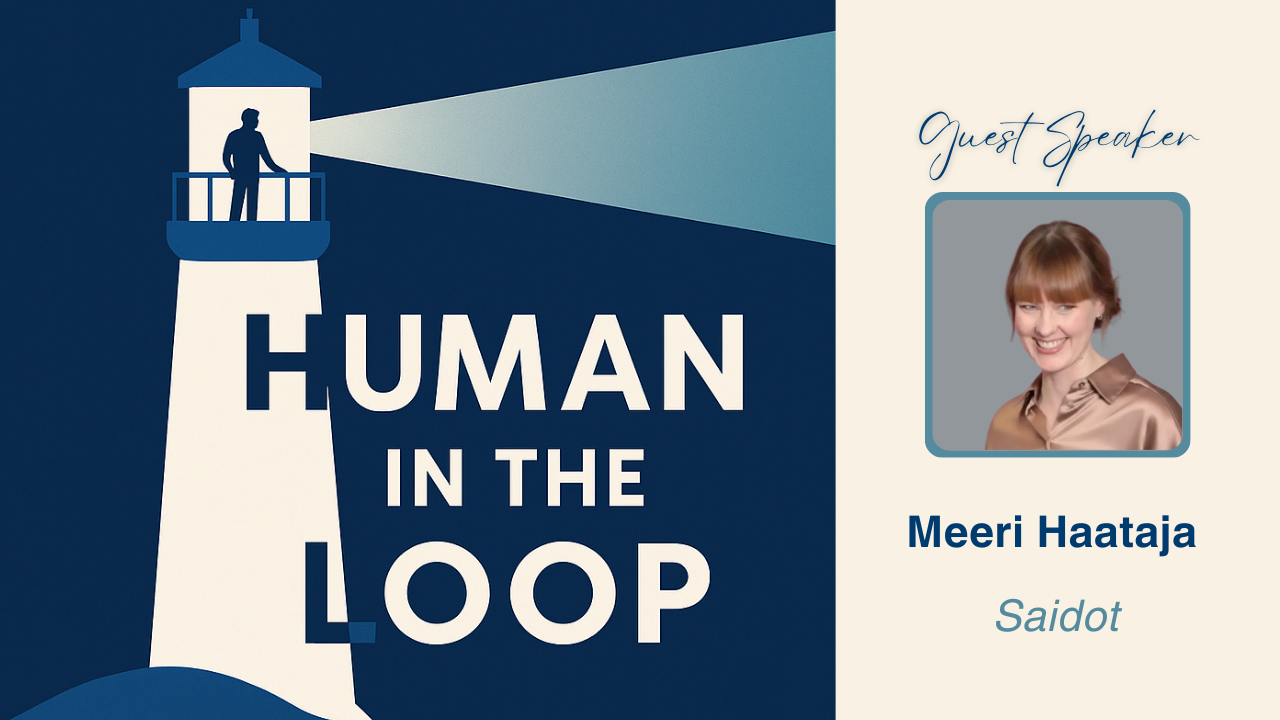
Unlocking AI's Promise Responsibly With Saidot
In this episode of Human in the Loop, we sit down with Meeri Haataja, CEO and co-founder of Saidot, to explore what responsible AI governance really looks like inside organizations. From navigating regulatory frameworks to embedding transparency and accountability into AI development, Meeri shares practical insights for businesses at every stage of their AI journey. Whether you're scaling a startup or steering enterprise innovation, her advice on aligning technical ambition with ethical clarity is essential listening.
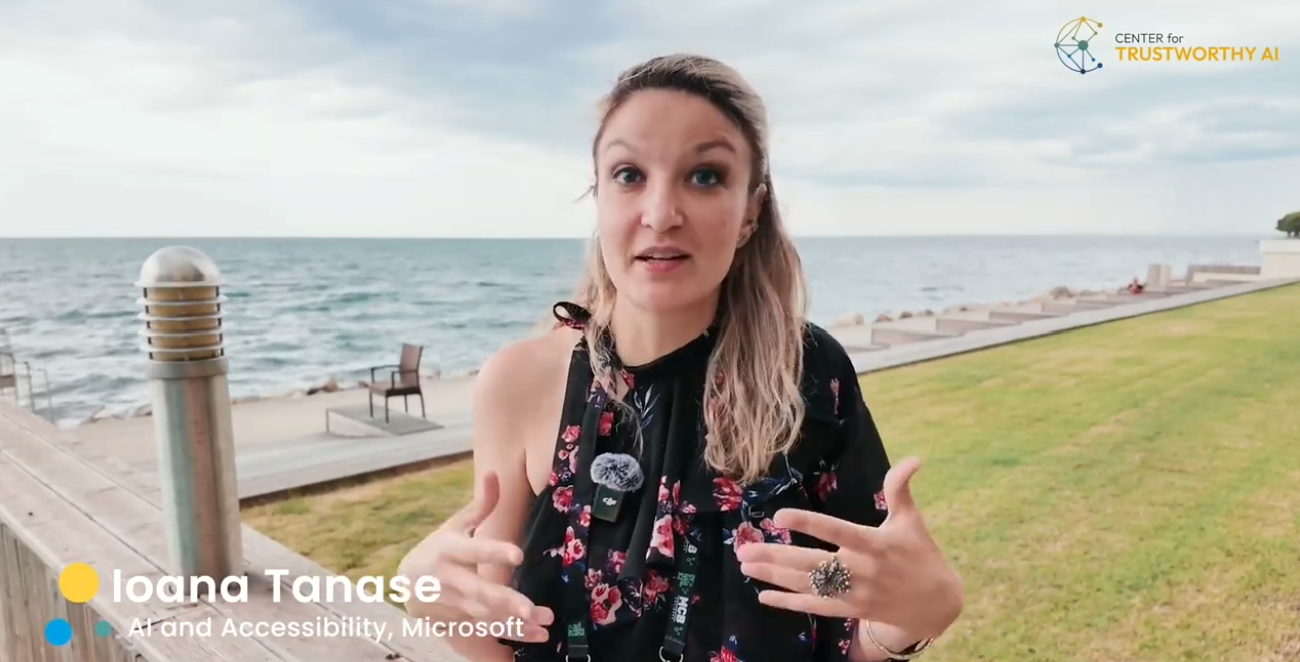
Trustworthy AI: Principles Every Org Must Follow
Ioana Tanase, AI and Accessibility @ Microsoft, dives deep into what makes AI truly trustworthy—and why it’s more than just technology. From Responsible AI principles to AI governance, this video explains how organizations can build systems that people trust and use confidently.

Why Trustworthy AI Starts With All of Us
In this very first episode, hosts Chris Huntingford and Ioana Tanase talk with Altrese Hawkins-Gopie about what responsible AI really means, why it matters for everyone (not just techies), and how we can all play a part in building trustworthy AI.

These are the days of miracle and wonder. AI is the long distance call.
There is no AI without data, and that to be trustworthy, AI requires trustworthy data. An obvious manifestation the Data Divide is the separation between the data "have" and "have not" organizations. Put another way, organizations possessing relevant, clean data sets stored in modern, AI-addressable data technologies enjoy a massive advantage in what AI can do for them, and in how quickly they can bring it to bear in service of the challenges they face. This is fast becoming a critical asset for organizations. The next couple of years will see a stark separation in fortunes for these have and have not organizations.
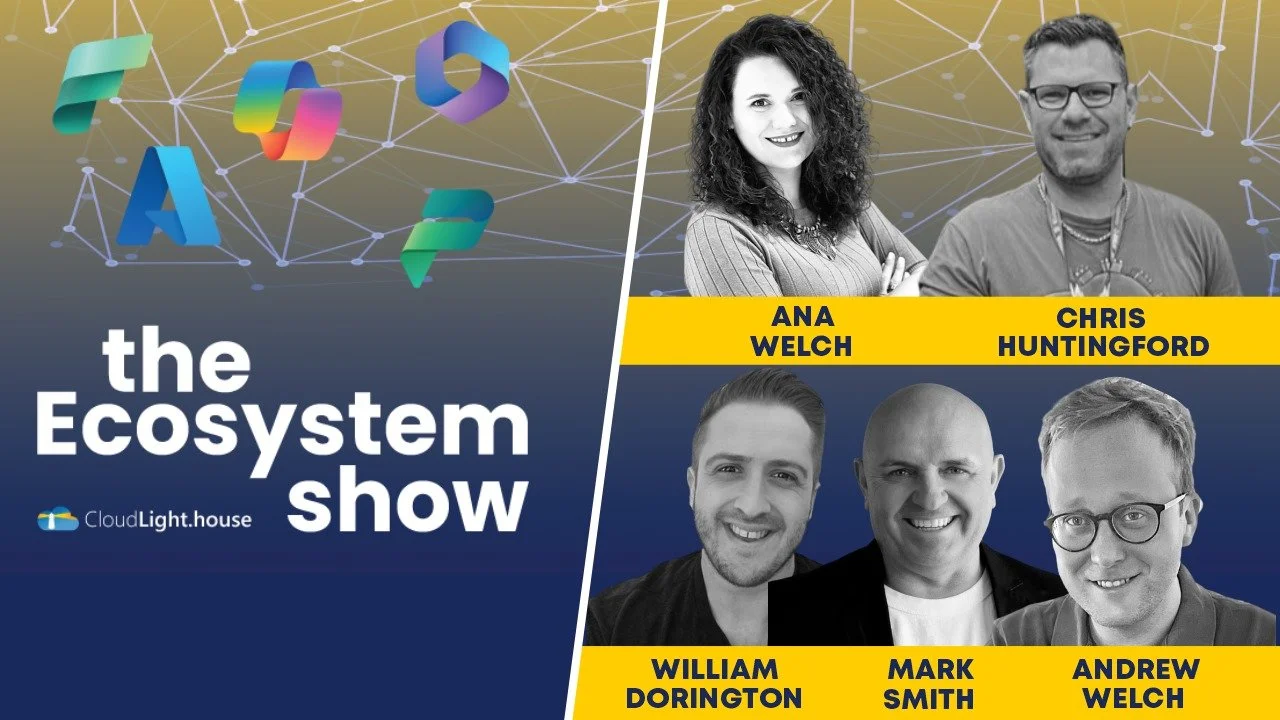
Why Critical Thinking Is Your AI Superpower
In this episode, Ana and Andrew dive deep into the evolving landscape of AI, technology leadership, and the future of Microsoft partnerships. Discover why critical thinking is now a must-have skill in the age of AI, how to build a trustworthy AI practice, and what it takes to become a truly strategic Microsoft partner. Whether you're a consultant, executive, or tech professional, you'll walk away with actionable insights on future-proofing your career, navigating industry shifts, and leading with confidence in a rapidly changing digital world.
The Evolving Landscape of AI, with Steve Mordue
In this conversation, Andrew Welch and Steve discuss the evolving landscape of AI, particularly focusing on the importance of trustworthy AI, governance, and the role of data. They explore the challenges faced by organizations in adopting AI technologies, the concept of vibe coding, and the differing perspectives on AI, including optimism and skepticism. The discussion highlights the need for a balanced approach to AI implementation, emphasizing the importance of technical expertise and the potential pitfalls of relying solely on AI without proper understanding and governance.
Revolutionizing App Development: The Role of AI
In this conversation, Ana Welch and William Dorrington discuss the evolving landscape of technology, particularly focusing on AI's impact on productivity, app development, and work-life balance. They explore new delivery concepts, the challenges of agile methodologies, and the potential for AI to refactor legacy code. The discussion also touches on the changing nature of job roles in tech, the importance of maintaining a healthy work-life balance, and the implications of AI in professional services, particularly in the legal field. The conversation concludes with reflections on the future of work and the need for continuous learning in a rapidly changing environment.
Navigating the Trustworthy AI Regulatory Landscape
In this session, we will explore the complexities of the current regulatory environment surrounding AI technologies and provide a comprehensive framework for developing and implementing a trustworthy and responsible AI strategy within your organization.
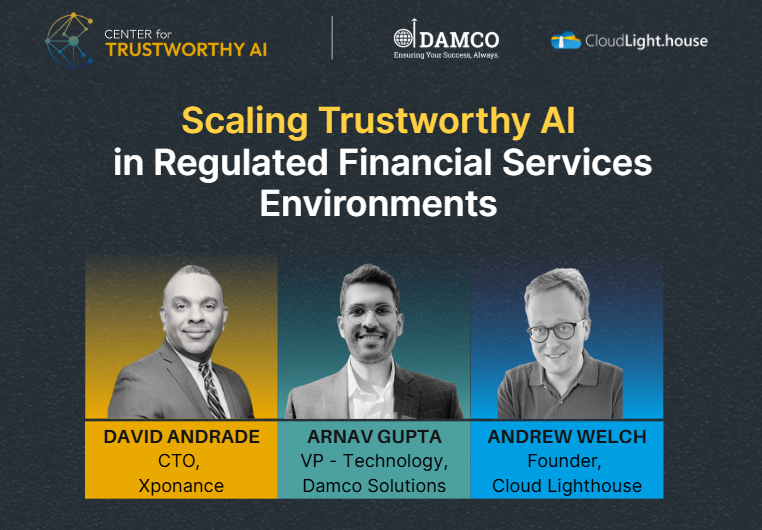
Scaling Trustworthy AI in Regulated FinServ
Join us for a focused, high-utility conversation where Financial Services CIO and AI strategy leaders from Xponance, Damco, and Cloud Lighthouse unpack how to move beyond experimentation and design AI programs that are governed, auditable, and business-aligned from Day 1.
The Future Skillset: How to Work With AI Agents
Is your next teammate an AI agent? This episode explores the future of work in tech - from world models and red teaming to the rise of high-paying AI roles. Whether you build, lead, or strategize, you’ll walk away with insights to stay ahead in an AI-driven world.
Harnessing AI for Project Innovation
In this conversation, Andrew, Ana, Mark and Chris discuss the rapid adoption of AI technologies, innovative applications in various projects, and the importance of the human element in utilizing AI effectively. They explore different perspectives on AI, including optimism, denial, and rage, and delve into the fear and resistance to change that often accompany technological advancements. The conversation also touches on the implications of AI in education, highlighting both its potential benefits and challenges.

Trustworthy AI 101: The C-Suite’s 45-Minute Guide
New AI regulations and board-level scrutiny are arriving faster than most enterprises can adapt. In this executive briefing you’ll get a crash course on how to build, govern, and scale AI responsibly; without slowing innovation.
Exploring AI Perspectives: Optimists and Deniers
Mark Smith and Andrew Welch dive into their takeaways from the Dynamics Minds conference, exploring how artificial intelligence is reshaping the tech landscape. They break down public sentiment into three distinct mindsets: the hopeful optimists, the skeptical deniers, and those resistant to change - the 'angry camp.' Their conversation weaves through themes of technological inevitability, the quirky idea of 'vibe coding,' and the critical need to evolve alongside emerging tools. Along the way, they share nostalgic stories from their early days in tech, offering a personal lens on how far the industry has come - and where AI might take us next.
The Role of Regulation in Trustworthy AI Innovation
In this episode, Ana Welch and Andrew Welch discuss the recent AI for Good Global Summit, exploring the intersection of technology, law, and culture. They highlight the importance of regulation in fostering innovation while addressing the ethical implications of AI. The conversation delves into the cultural biases inherent in AI training and the need for collaboration between technologists and legal experts. The hosts reflect on the rapid technological advancements and their impact on society, emphasizing the need for responsible AI development.
Announcing the Center for Trustworthy AI
The Center for Trustworthy AI has been established by technology and legal partners with contributions from experts around the world because the achievement of Trustworthy AI is an effort that must be taken on by every user, every leader, and every organization that wishes to survive and thrive in the coming age. The Center for Trustworthy AI is the guiding beacon for organizations navigating this unprecedented wave of AI innovation.

A call to arms for trustworthy AI
Can we trust artificial intelligence? In today’s world of all-too-often declining trust in institutions, governments, and humanity writ large, can we trust AI to be applied and used for the good of our colleagues, our neighbors, and of all humankind? How do we realize AI’s transformative potential in the realms of science, medicine, engineering, and productivity across the economy while not sacrificing our institutions, our culture, our communities, our human rights to its use?
A moment of reckoning for humanitarian and public sector technology
In the public and humanitarian domain—as in business and commerce—it is the fabric of data, security, apps, and, increasingly, artificial intelligence that makes possible much of what society takes for granted. An ecosystem of interwoven technologies, often invisible to the end recipient of any service, orchestrate the vast, historically unthinkable systems through which students are educated, police are assigned to duty, the hungry are fed, and the most vulnerable migrants are transported from conflict, housed, and treated for their injuries.

Applying modern ecosystem-oriented architecture in the Public Sector
We’ll make the concepts of Ecosystem-Oriented Architecture (EOA) and mapping your cloud ecosystem real in context of Public Sector organizations. To do so, we spend some time speaking less about technology and begin describing workloads that incorporate functions and scenarios upon which a typical agency might rely on its cloud ecosystem to perform.